Diagnosing Garage Door Stress: Fall Home Maintenance Tips and Troubleshooting
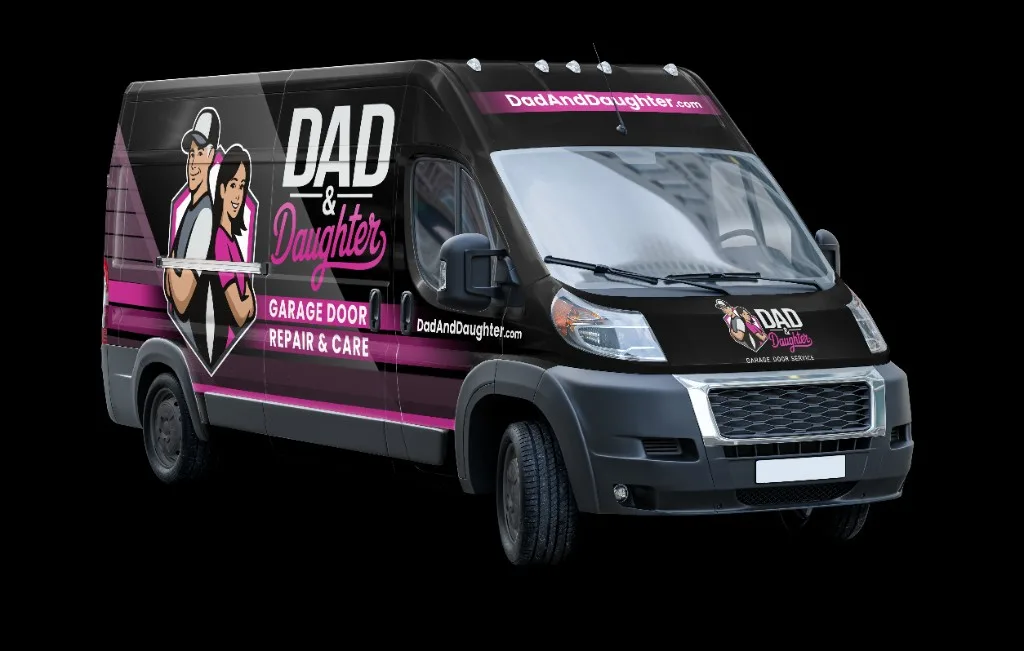
Dad And Daughter Garage Door Service

Why Crisp Fall Mornings Make Your Garage Door Louder
Your garage door used to glide open smoothly, but suddenly it is grinding, squeaking, and groaning every time you leave for work. Here at Dad & Daughter Garage Door Service, our phones ring off the hook every October with this exact complaint. As you look for reliable home maintenance tips and troubleshooting strategies, addressing these new, alarming noises is critical before winter sets in. You rely on this system every single day, and in our experience, ignoring a sudden change in how it sounds or moves usually leads to a much larger failure down the road.
To secure professional garage door repair before a total breakdown occurs, you first need to understand what you are hearing. The garage door is often the largest moving object in your entire home. A standard residential door easily weighs anywhere from 130 to over 400 pounds. Moving that massive amount of weight requires a perfectly balanced system of springs, cables, rollers, and tracks working in total harmony.
Because the system is so large and relies heavily on exposed metal parts, it is highly sensitive to weather changes. During the October pre-winter transition, the sudden drop in overnight temperatures causes metal components to physically change. The tracks contract, the rollers stiffen, and the lubricant that kept everything sliding smoothly during the summer begins to thicken and resist movement.
This creates a critical decision point for you as a homeowner. Are these new noises a simple sign that your system needs a basic visual check and some track clearing, or are they the early warning signs of a failing motor and unbalanced springs? Knowing the difference determines whether you can handle the issue with a quick weekend inspection or if you need to call our local experts before the first deep freeze hits and traps your car inside.
The Physics of Autumn Temperature Swings on Metal Components
To truly understand why your system struggles this time of year, you have to look at the physical changes happening to the metal and chemical components. In our years serving Brentwood TN, our team typically sees how the local climate creates a very specific type of stress on residential garage doors. The region transitions rapidly from lingering, high-humidity summer days to crisp, cold fall nights. This drastic fluctuation is a worst-case scenario for mechanical systems.
The Problem: Thermal Contraction and Increased Friction
As the air cools down overnight, the metal tracks, hinges, and rollers physically contract. This thermal contraction might be microscopic, but when you multiply it across dozens of moving parts holding up a 200-pound door, the result is a massive increase in mechanical friction. Parts that used to glide past one another now scrape and grind.
The Cause: Breakdown of Builder-Grade Lubricants
The humidity of a Brentwood summer attracts dust, pollen, and debris, which sticks to the lubricant on your tracks and rollers. When the sudden cold snaps of fall arrive, that contaminated, builder-grade lubricant loses its viscosity. Instead of acting as a smooth grease, it hardens into a sticky, tar-like substance. Your rollers are no longer rolling; they are dragging through sludge.
The Solution: Understanding the Strain on the Motor
Your automatic opener motor is designed to guide a perfectly balanced door, not to forcefully drag a heavy, stuck object. When the motor has to fight against contracting metal and hardened lubricant, the internal plastic gears undergo immense strain. If left unchecked, this added stress will strip the gears entirely or burn out the motor's capacitor.
| Component | Summer Condition | Fall/Winter Condition | Resulting Symptom |
|---|---|---|---|
| Metal Tracks | Expanded, flexible | Contracted, rigid | Grinding or scraping noises |
| Lubricant | Thin, fluid | Thick, sticky, contaminated | Jerky door movement |
| Opener Motor | Low strain | High strain fighting friction | Humming, stalling, or gear failure |
By understanding the physics behind these temperature swings, you can see why preventative maintenance in the fall is so important. You are not just silencing a squeaky wheel; you are actively saving your motor from tearing itself apart.
Identifying Hardened Weatherstripping and Seal Failures
While the metal components handle the heavy lifting, the rubber and vinyl seals handle your home's energy efficiency and interior protection. A pattern we see often during our fall service calls is degraded weatherstripping that fails to keep out freezing drafts, rain, and autumn pests. Checking these seals is a vital part of your October pre-winter transition checklist.
The role of the bottom astragal: The bottom rubber seal, often called the astragal, compresses against the concrete floor every time the door closes. Its job is to create a watertight, airtight barrier. However, rubber is highly susceptible to temperature degradation. After baking in the summer sun, the sudden drop in fall temperatures causes the rubber to harden, crack, and lose its flexibility. A hardened seal cannot compress properly, leaving gaps where cold air and water can easily enter your garage.
Inspecting the side and top weatherstripping: The vinyl trim running along the sides and top of your garage door frame serves a similar purpose. As the door pushes against it, the flexible flap seals the gap between the moving door and the stationary frame. Just like the bottom seal, this vinyl becomes brittle in the cold. If it cracks or tears, we highly recommend replacing it to restore your thermal barrier.
How to perform a visual seal inspection: You can easily check the health of your weatherstripping without removing any hardware. Wait for a bright, sunny afternoon, step inside your garage, and close the door. Turn off the overhead lights and look at the perimeter of the door. If you see daylight peeking through the bottom corners, along the floor, or down the sides, your seals have failed. Additionally, run your hand along the rubber bottom seal. If it feels stiff, brittle, or leaves black residue on your fingers, it has degraded past the point of usefulness and requires replacement before winter arrives.
Safe DIY Visual Inspections and Track Clearing
Preparing your home for colder weather means taking an active role in inspecting your systems, but it is crucial to know exactly what you can do safely. In Brentwood TN, falling leaves, blowing dust, and dropping temperatures mean your tracks and sensors need attention. As a family team, we always recommend this safe, step-by-step DIY maintenance routine you can perform to keep your system running smoothly.
- Sweep debris out of the metal tracks: Grab a small hand broom or a shop vacuum and carefully clear out any dead leaves, dirt, or cobwebs from the vertical tracks. Debris buildup forces the rollers to bump and jump, which can knock the door out of alignment. Never use harsh chemical cleaners or water in the tracks, as this promotes rust.
- Listen for unbalanced operation: Disconnect the door from the automatic opener by pulling the red emergency release cord (only do this when the door is fully closed). Manually lift the door halfway up and let go. A properly balanced door will stay in place. If it slams to the floor or rockets upward, your springs are unbalanced. Do not attempt to fix this yourself; simply note the issue for a professional.
- Test the auto-reverse safety mechanism: Place a block of wood or a full paper towel roll flat on the ground in the center of the door's path. Press the button to close the door. When the door touches the object, it should immediately stop and reverse direction. If it continues to push down, the safety force settings on your motor need professional calibration.
Crucial Safety Rule: You should always keep the tracks clean and clear of debris, but you must never attempt to adjust, unbolt, or loosen the tracks yourself. The track brackets are under immense pressure, and loosening the wrong bolt can cause the entire heavy track system to collapse.
Testing Safety Sensors and Wall Controls
Your garage door relies on a network of sensors and electrical controls to operate safely. Fall is the perfect time to verify these components are working flawlessly.
- Verify photo-eye alignment: The two small sensors located near the floor on either side of the door project an invisible beam across the opening. If a falling leaf or a stray piece of debris blocks this beam, the door will refuse to close. Wipe the small glass lenses gently with a clean, dry microfiber cloth to remove fall dust. Ensure both sensors have solid indicator lights showing they are aligned.
- Check the wall console responsiveness: Sometimes, what seems like a failing motor is actually just a loose wire in the wall control. Test the wall button to ensure it responds immediately without requiring multiple hard presses. If the button sticks or the motor hesitates, the wiring may be degrading.

The Danger Zone: When to Stop and Call a Local Expert
While clearing tracks and testing sensors are excellent habits, there is a hard line where DIY maintenance becomes incredibly dangerous. At Dad & Daughter Garage Door Service, we are a family-owned company driven by a legacy of protecting our neighbors, and we prioritize homeowner safety above all else. We've seen firsthand the devastating damage that components under massive, lethal amounts of tension can cause. Tampering with these parts without professional training and specialized tools puts you and your family at severe risk of physical injury.
The torsion springs, located directly above the closed door, and the extension springs, running along the upper tracks, act as the actual muscle of the system. They hold the entire weight of the door. The lifting cables, which attach to the bottom corners of the door and spool around the spring drums, are pulled incredibly tight. If you attempt to loosen a bolt on the bottom bracket, or try to adjust a winding cone on a torsion spring, the tension can release instantly. A snapping spring or a whipping cable carries enough force to cause fatal injuries or severe property damage.
During your October pre-winter transition checks, you must look for warning signs that require immediate professional intervention. If you see any gaps in the coils of the torsion spring, it means the spring has snapped. If the lifting cables look frayed, rusty, or slack, they are on the verge of breaking. If your door slams shut rapidly instead of lowering smoothly, the springs have lost their tension and can no longer support the weight.
Furthermore, electrical issues often mask themselves as mechanical failures. If your motor hums but the door does not move, or if you need to troubleshoot garage door wall button failure, these issues require professional diagnostic tools to safely resolve. Do not attempt to rewire the motor head or bypass safety circuits yourself. When you spot these danger signs, stop immediately, unplug the motor to prevent accidental operation, and call for expert help.
Securing Your Home Before the Winter Freeze
The ultimate solution for seasonal maintenance is synthesizing your basic visual checks with a comprehensive professional tune-up. While sweeping the tracks and checking the sensors in Brentwood TN gives you a good baseline, our team looks at the holistic health of the system to ensure it will survive the freezing months ahead.
A professional pre-winter tune-up goes far beyond what a homeowner can safely achieve. Our technicians arrive with the proper tools to safely re-balance the heavy door, ensuring the springs are carrying the exact right amount of weight. We apply high-grade, climate-appropriate synthetic lubricants to the rollers, hinges, and bearings. Unlike builder-grade grease, these specialized lubricants are designed to repel moisture and maintain their smooth viscosity even when temperatures plummet below freezing.
Additionally, a professional will perform micro-adjustments to the spring tension and track alignment to eliminate the grinding and scraping noises you noticed earlier in the fall. We will also inspect the motor's internal gears for early signs of wear and test the electrical draw of the capacitor.
Addressing these minor friction and balance issues in the fall prevents complete motor failure during a winter freeze. When a door is perfectly balanced and properly lubricated, the motor barely has to work at all. By securing your system now, you eliminate the stress of waking up on a freezing January morning to find your car trapped in the garage because the opener finally gave out.
Partnering with a Trusted Team for Fall Maintenance
Understanding your garage door's seasonal stress is the first and most important step to maintaining a secure, efficient home. By recognizing how the October pre-winter transition affects the metal tracks, rubber seals, and heavy springs, you are already ahead of the curve. You now know exactly which visual checks you can handle safely, and more importantly, you know exactly when to step back from the dangerous, high-tension components.
You do not have to tackle this seasonal preparation alone. Relying on local experts like Dad & Daughter Garage Door Service, who truly understand the regional climate, ensures your system gets exactly what it needs to perform flawlessly. An annual tune-up provides the deep lubrication, precise balancing, and safety testing that keeps everything gliding smoothly, no matter how cold the nights get.
Take the time this fall to explore professional maintenance options. A quick, thorough tune-up today gives you the confidence that your system will operate safely, quietly, and reliably all winter long, giving you complete peace of mind every time you pull into the driveway.
Frequently Asked Questions
How do I prepare my garage door for winter?
Preparing your system involves a mix of visual inspections and professional servicing. Start by clearing debris from the tracks, wiping down the safety sensors, and checking the rubber weatherstripping for cracks or daylight gaps. Because cold weather stresses the metal components, scheduling a professional tune-up in the fall ensures your springs are balanced and your rollers are treated with climate-appropriate lubricant before freezing temperatures arrive.
Why does my garage door struggle to open in cold weather?
Cold temperatures cause the metal tracks, rollers, and hinges to physically contract, which drastically increases mechanical friction. Additionally, older or lower-quality lubricants thicken in the cold, turning into a sticky sludge rather than a smooth grease. This combination forces your motor to work twice as hard to lift the heavy door, resulting in slow, struggling movement.
When should I call a professional for garage door maintenance?
You should call a professional immediately if you notice frayed lifting cables, gaps in the overhead torsion spring, or a door that feels incredibly heavy to lift manually. We also recommend scheduling an expert tune-up annually during the fall to address balance issues and apply specialized lubrication. Never attempt to adjust the high-tension springs or bottom brackets yourself, as this can cause severe injury.
Why is my garage door so loud in the cold?
The loud grinding, squeaking, and popping noises are the sound of metal scraping against metal. As the components contract in the cold, the tolerances between the rollers and the tracks tighten. Without fresh, winter-grade lubrication to buffer these moving parts, the increased friction echoes loudly through the hollow metal panels of the door every time it operates.
What is the most common garage door repair during the fall?
One of the most frequent repairs our team handles is replacing stripped motor gears or burned-out capacitors caused by the sudden increase in door weight. As the door tracks contract and old grease hardens, the motor strains to force the door open. Replacing hardened, brittle bottom weatherstripping is also incredibly common as homeowners prepare to seal out cold winter drafts.
Can I lubricate my garage door tracks myself?
You should actually never apply lubricant inside the vertical metal tracks, as this attracts dirt and causes the rollers to slide uncontrollably rather than roll smoothly. You can safely wipe the tracks clean with a rag, but applying specialized synthetic lubricant to the roller bearings, hinges, and springs is best left to a professional during an annual tune-up to ensure the correct amount and type is used.
Need Help?
Contact us today to discuss your needs. Our team is ready to help.
About the Author
Dad And Daughter Garage Door Service
More Articles
View All PostsRelated Articles

How Long Does a Typical Garage Door Installation Actually Take?
Planning an early fall garage door replacement? Understand exactly what happens during the standard 3-to-4 hour installation window so you can schedule your day.
Read Article
Replacing Photo Eyes vs. Realigning Them
If your garage door keeps reversing without warning, the safety sensors might be to blame. Use our diagnostic criteria to find out if it's a simple bump or a hardware failure.
Read Article
Why a Broken Cable Can Cause Your Garage Door to Go Off Track
A sideways-hanging garage door is a high-tension physics hazard, not a simple nuisance. Understand how a snapped cable destroys system balance and why you need immediate professional repair.
Read ArticleReady to Get Started?
Whether you need a repair, maintenance, or a new installation, our expert team is here to help.